PRODUCT DESIGNER
Led 0 → 1 design of a hormonal health platform
Company: Science&Humans
Team: a pod with myself, a product manager, and developers
Duration: June 2025-present
Introduction
Science & Humans delivers personalized hormonal healthcare through a digital-first care model.
As Senior Product Designer, I led the 0→1 product strategy and phased development of the patient platform—defining the system architecture, information structure, and foundational experience from the ground up.
This work marked a critical transition from fragmented, service-driven workflows to a scalable, product-led infrastructure. In parallel, I established the operational foundation for design: implementing structured ways of working, building a scalable design system, and embedding product thinking across cross-functional teams to support long-term growth.
Core patient experience
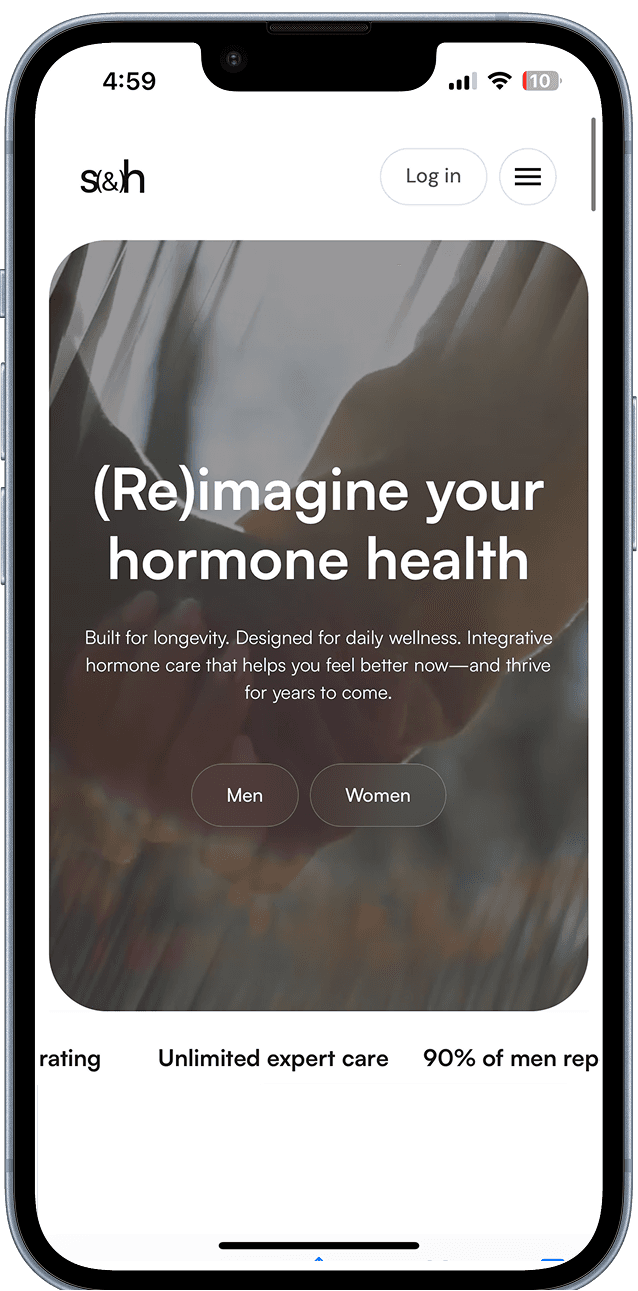
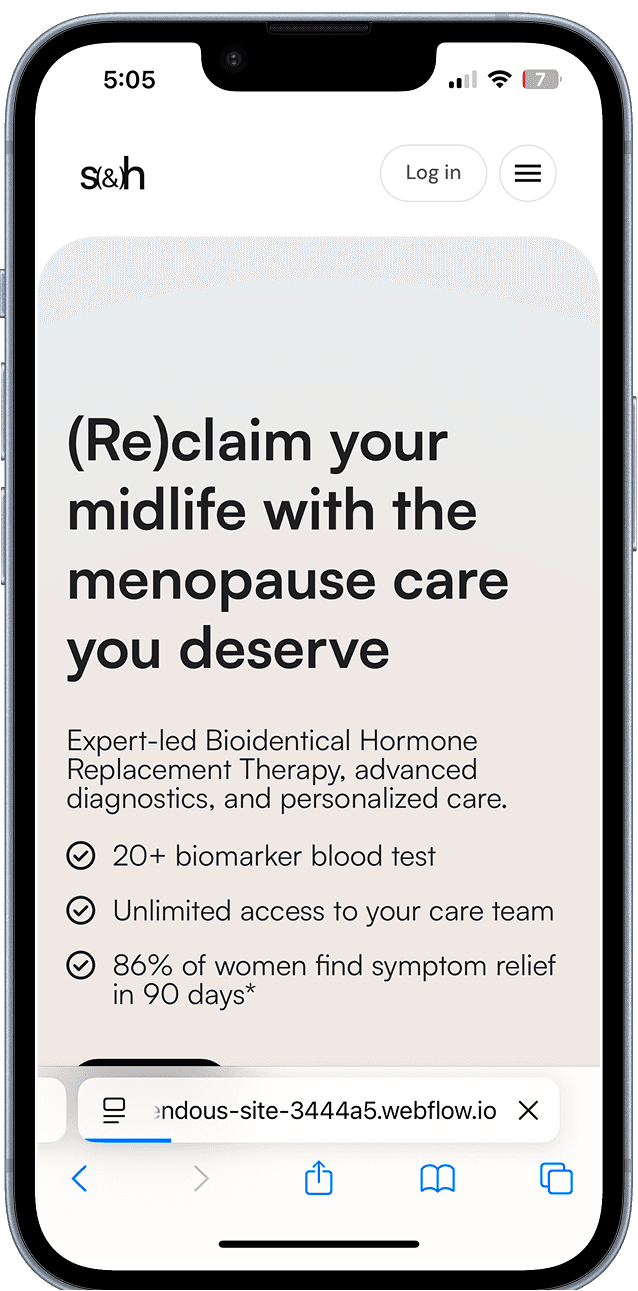
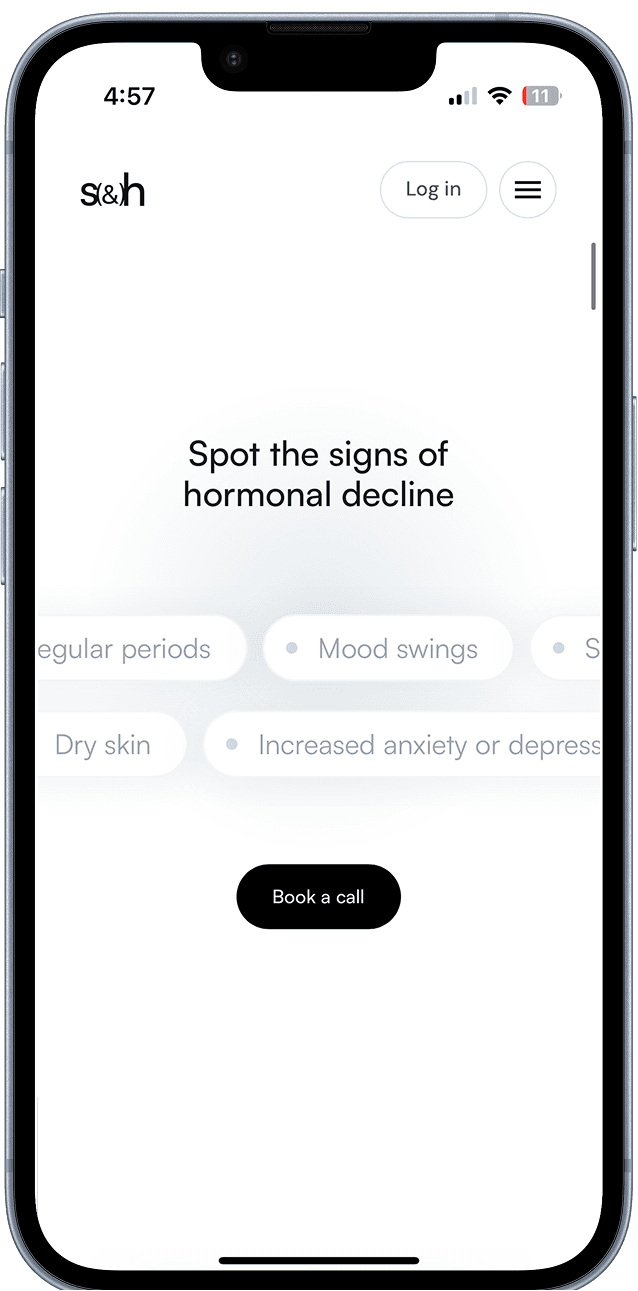
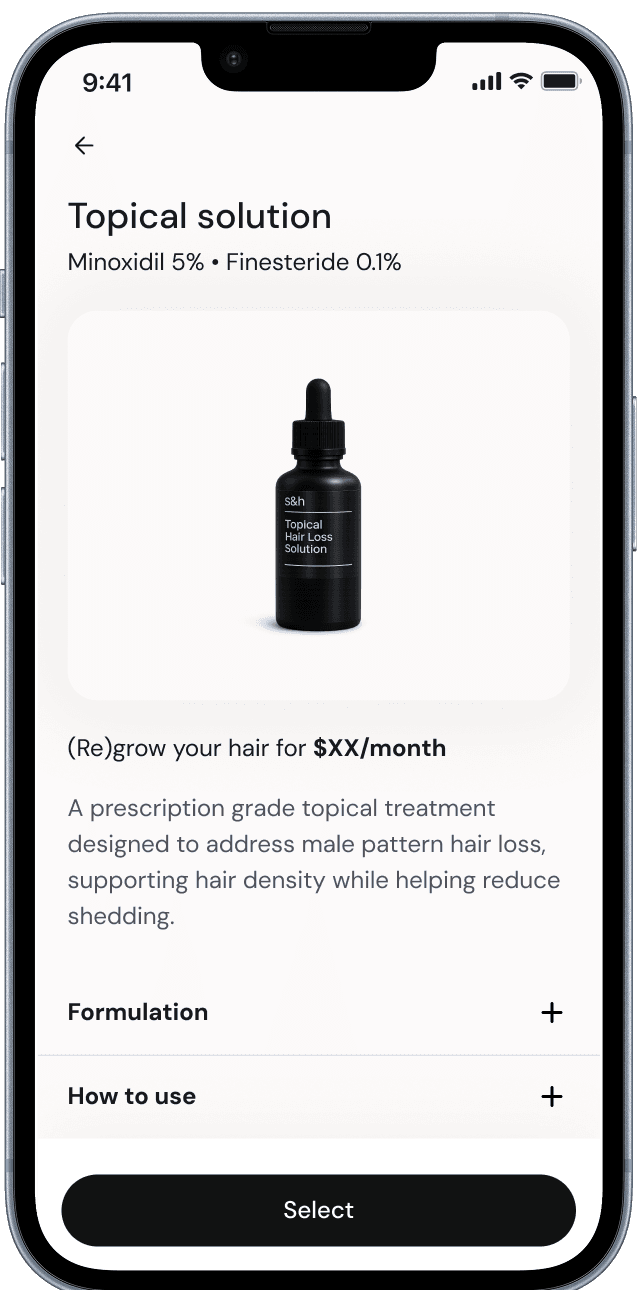
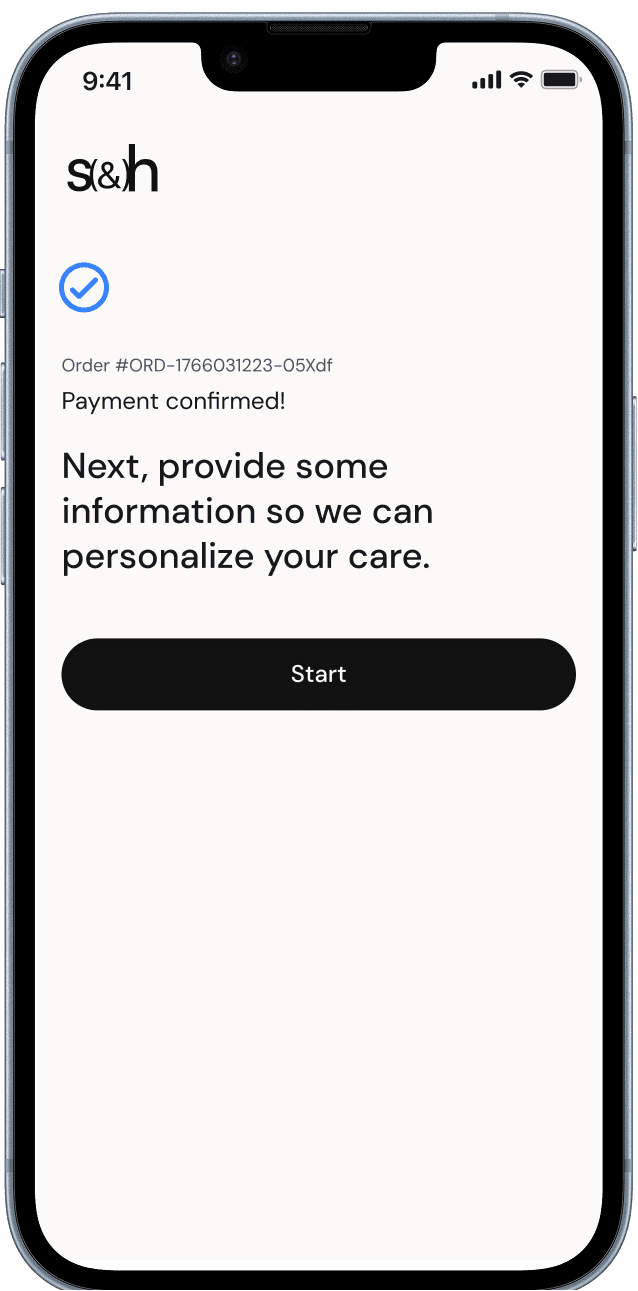
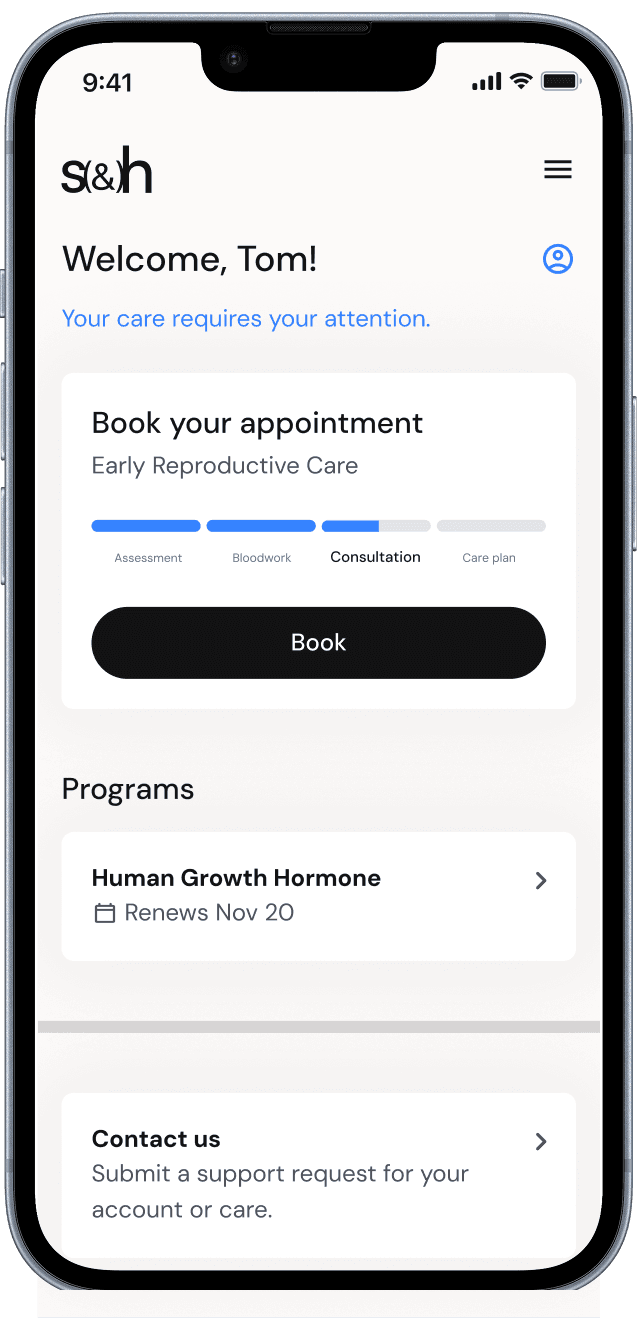
I designed the end-to-end patient journey, from first website interaction through onboarding, treatment initiation, and ongoing care.
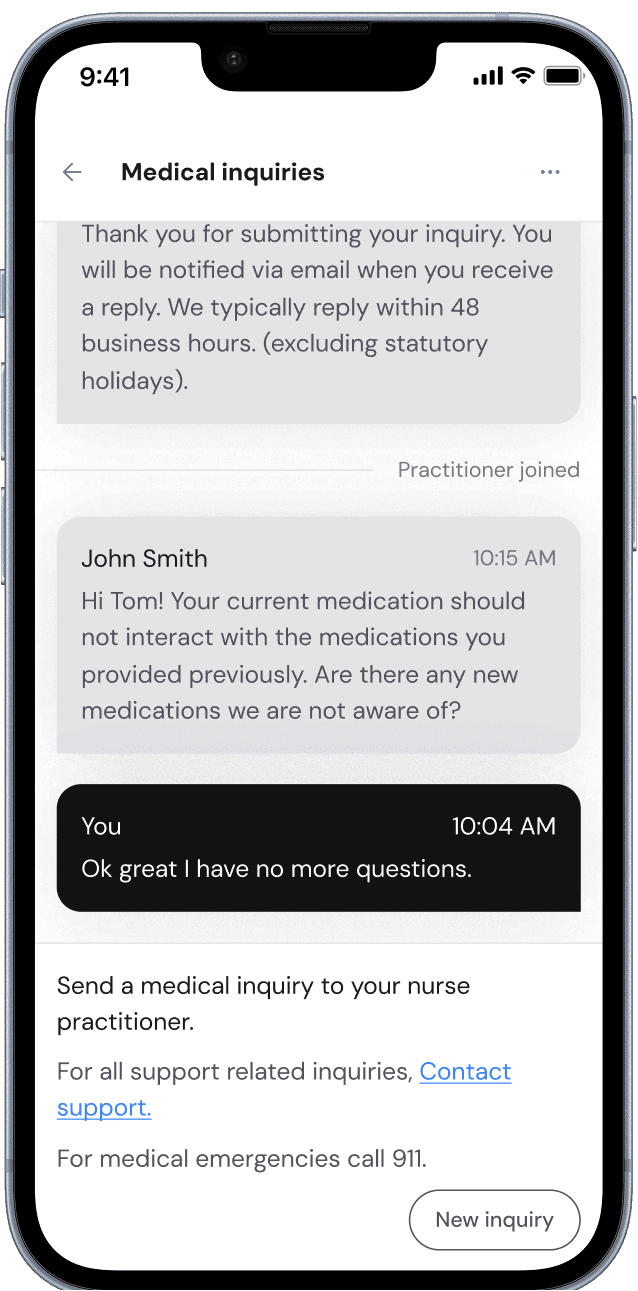
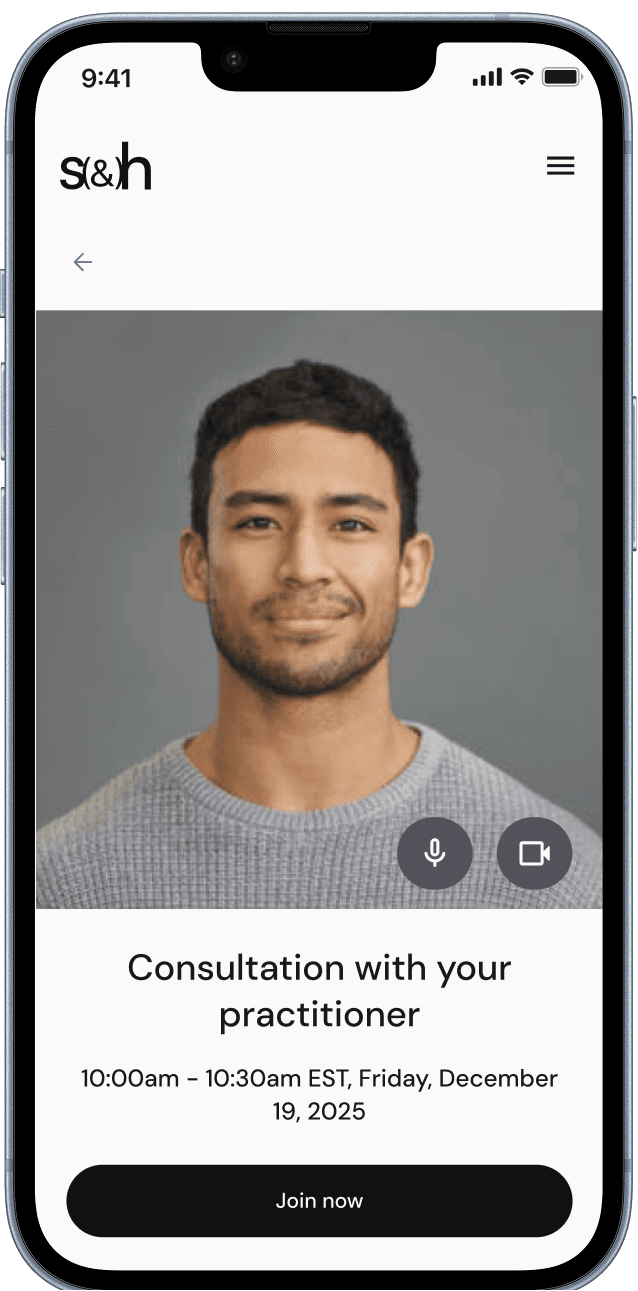
This included architecting the core user flows across the website (www.scienceandhumans.com), application infrastructure, and patient portal. I defined the messaging experience, appointment booking system, and virtual consult flow, ensuring patients could seamlessly move from discovery to diagnosis to treatment without friction.
Beyond interface design, I approached the work through a service design lens—aligning digital touchpoints with clinical operations and backend workflows. This meant structuring how patients booked appointments, attended virtual consults, managed prescriptions, and progressed through their first treatment cycle.
In parallel, I optimized the broader funnel, refining website conversion, activation pathways, and retention touchpoints to support long-term engagement. The goal was not just usability, but continuity—building an experience that felt coherent from entry point to ongoing care.
Pharmacy enablement
To unlock long-term scalability, we began planning the transition from third-party pharmacy partners to an in-house pharmacy model—giving the company greater control over the patient experience, operational timelines, and margin structure.
I led discovery and product planning efforts to map the end-to-end pharmacy workflow, from prescription generation to fulfillment and patient communication. This included research into regulatory requirements, medical system integrations, and API dependencies across e-prescribing, EMR, and telehealth infrastructure.
Working closely with product and clinical stakeholders, I helped define the phased roadmap for bringing pharmacy operations in-house. I conducted workflow analysis, facilitated cross-functional planning sessions, and translated operational requirements into scalable product flows.
This work laid the foundation for tighter system integration, improved treatment continuity, and a more cohesive patient journey—while positioning the business for stronger unit economics and long-term growth.
Long term strategy
Beyond shipping the core experience, I focused on building the long-term product foundation aligned with the company’s vision for modern, vertically integrated hormonal healthcare.
I worked closely with the founders to translate their vision into scalable product architecture—planning infrastructure that could support future service expansion, in-house pharmacy operations, and deeper patient engagement. This meant designing not just for current needs, but for strategic unlocks down the roadmap.
I partnered with product leadership to define KPIs, phase initiatives, and structure roadmaps around measurable outcomes—balancing clinical constraints, operational feasibility, and growth priorities. I leaned heavily into product thinking, ensuring every system decision supported retention, automation, and margin expansion over time.
In parallel, I established the operational foundation for design: creating documentation standards, implementing structured ways of working, building and rolling out a scalable design system, and introducing clearer ownership across cross-functional teams. I also contributed to people development and mentorship, helping mature design processes as the organization evolved.
This work set the groundwork for sustainable growth—transforming design from execution support into a strategic lever within the company.
PRODUCT DESIGNER
Led 0 → 1 design of a hormonal health platform
Company: Science&Humans
Team: a pod with myself, a product manager, and developers
Duration: June 2025-present
Introduction
Science & Humans delivers personalized hormonal healthcare through a digital-first care model.
As Senior Product Designer, I led the 0→1 product strategy and phased development of the patient platform—defining the system architecture, information structure, and foundational experience from the ground up.
This work marked a critical transition from fragmented, service-driven workflows to a scalable, product-led infrastructure. In parallel, I established the operational foundation for design: implementing structured ways of working, building a scalable design system, and embedding product thinking across cross-functional teams to support long-term growth.
Core patient experience
I designed the end-to-end patient journey—from first website interaction through onboarding, treatment initiation, and ongoing care.
This included architecting the core user flows across the website, application infrastructure, and patient portal. I defined the messaging experience, appointment booking system, and virtual consult flow, ensuring patients could seamlessly move from discovery to diagnosis to treatment without friction.
Beyond interface design, I approached the work through a service design lens—aligning digital touchpoints with clinical operations and backend workflows. This meant structuring how patients booked appointments, attended virtual consults, managed prescriptions, and progressed through their first treatment cycle.
In parallel, I optimized the broader funnel, refining website conversion, activation pathways, and retention touchpoints to support long-term engagement. The goal was not just usability, but continuity—building an experience that felt coherent from entry point to ongoing care.
Pharmacy enablement
To unlock long-term scalability, we began planning the transition from third-party pharmacy partners to an in-house pharmacy model—giving the company greater control over the patient experience, operational timelines, and margin structure.
I led discovery and product planning efforts to map the end-to-end pharmacy workflow, from prescription generation to fulfillment and patient communication. This included research into regulatory requirements, medical system integrations, and API dependencies across e-prescribing, EMR, and telehealth infrastructure.
Working closely with product and clinical stakeholders, I helped define the phased roadmap for bringing pharmacy operations in-house. I conducted workflow analysis, facilitated cross-functional planning sessions, and translated operational requirements into scalable product flows.
This work laid the foundation for tighter system integration, improved treatment continuity, and a more cohesive patient journey—while positioning the business for stronger unit economics and long-term growth.
Long term strategy
Beyond shipping the core experience, I focused on building the long-term product foundation aligned with the company’s vision for modern, vertically integrated hormonal healthcare.
I worked closely with the founders to translate their vision into scalable product architecture—planning infrastructure that could support future service expansion, in-house pharmacy operations, and deeper patient engagement. This meant designing not just for current needs, but for strategic unlocks down the roadmap.
I partnered with product leadership to define KPIs, phase initiatives, and structure roadmaps around measurable outcomes—balancing clinical constraints, operational feasibility, and growth priorities. I leaned heavily into product thinking, ensuring every system decision supported retention, automation, and margin expansion over time.
In parallel, I established the operational foundation for design: creating documentation standards, implementing structured ways of working, building and rolling out a scalable design system, and introducing clearer ownership across cross-functional teams. I also contributed to people development and mentorship, helping mature design processes as the organization evolved.
This work set the groundwork for sustainable growth—transforming design from execution support into a strategic lever within the company.